How Long Does Clove Take to Work? Minutes, for Tooth Pain
On a sore tooth, clove works in minutes and fades almost as fast. Here is what the one controlled study actually measured, how to use it without burning your gum, and the signs that mean dentist today, not more clove.
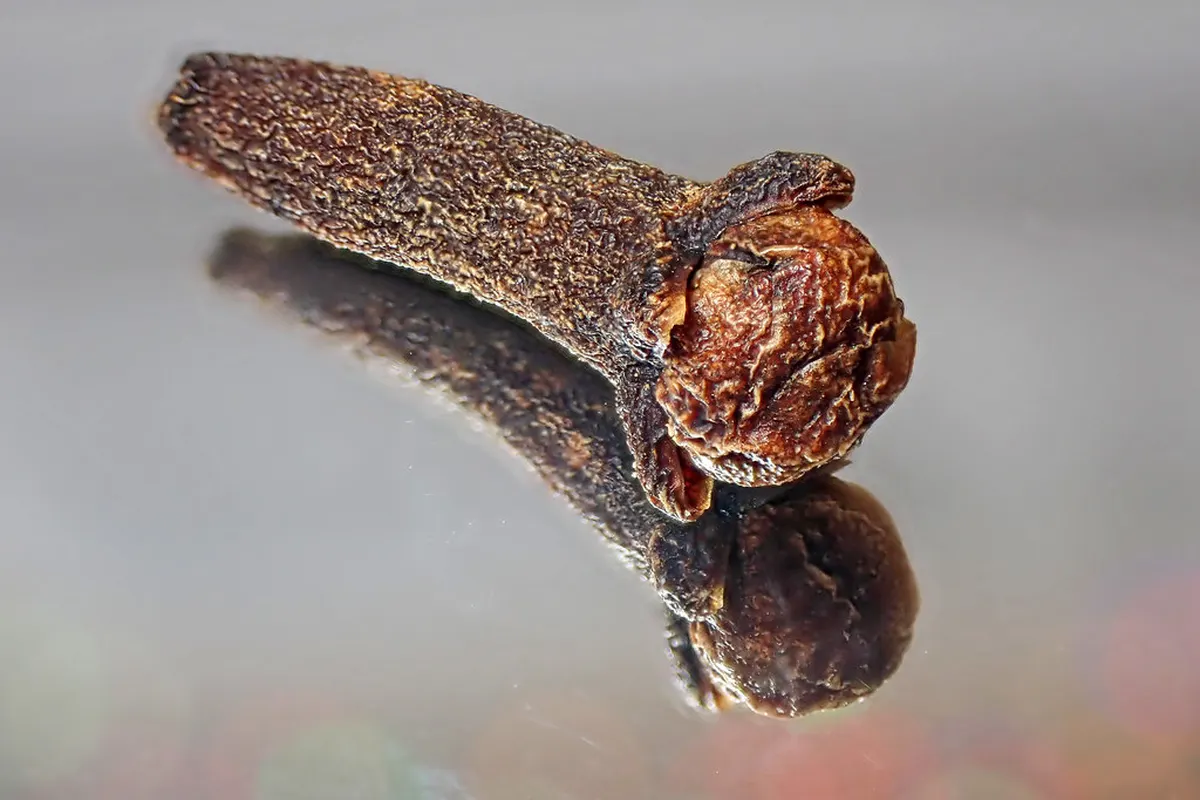
In this article 6 sections
Clove starts to numb a painful tooth within about 5 minutes. The active compound, eugenol, has a local anaesthetic effect on the gum; in a controlled trial, a clove gel left on the gum for 5 minutes reduced needle-prick pain about as much as a 20% benzocaine gel. The relief is short-lived and purely symptomatic: it wears off once the clove is removed, and it does nothing to the cavity, crack or infection causing the pain. Clove is a way to get through the hours before a dental appointment, not a replacement for one.
Clove timeline by use
| Use | When you feel something | How long it lasts | What it does not do |
|---|---|---|---|
| Whole clove held against the sore tooth or gum | A few minutes (local numbing, tingling) | Short; not measured in studies, typically fades soon after removal | Treat decay, an abscess or a cracked tooth |
| Diluted clove oil on a cotton bud | Within about 5 minutes | Short; repeated application irritates the gum | Replace a dental anaesthetic or antibiotics |
| Clove in food or tea for heavy digestion (traditional use) | A warming sensation within the hour | For that meal only | Build up an effect over weeks: there is no "clove course" |
| Chewing a clove for breath | Immediate | While you chew, then a little after | Fix the cause of bad breath (gums, tongue coating, reflux) |
What the research actually shows
The best-known controlled study is small but clean. In 2006, Alqareer, Alyahya and Andersson (Kuwait University) applied four substances to the gum of 73 adult volunteers in a randomized, subject-blinded design: a homemade clove gel, a 20% benzocaine gel, and two placebos made to look like each. After 5 minutes, each volunteer received two needle pricks. Both clove and benzocaine gave significantly lower pain scores than placebo, with no significant difference between clove and benzocaine (Journal of Dentistry, 2006).
Two limits matter. The volunteers were healthy adults with healthy gums, and the pain tested was a needle prick, not the deep, throbbing pain of an inflamed pulp or an abscess. So the study supports the idea that clove numbs the surface of the gum within minutes; it says nothing about how well or how long it relieves a real toothache. Dentists have long used eugenol themselves, for example in zinc oxide–eugenol temporary fillings, which is consistent with its local effect but is a controlled, professional use.
For digestion, clove (lavanga in Sanskrit, laung in Hindi) is valued in Ayurveda as a pungent, warming spice. That is a traditional use; there is no human trial measuring how fast it relieves indigestion.
How to use clove for a toothache, safely
- Simplest option: hold one whole clove against the painful area, or gently crush it first. Remove it after 10–15 minutes.
- With clove oil: never neat. Dilute a single drop in about a teaspoon of a carrier oil (sesame, olive, coconut), dab it on with a cotton bud, and keep it off the tongue and cheeks. Undiluted clove oil can burn and irritate the gum.
- Do not re-apply over and over: if you need it every hour, the pain is telling you something the clove cannot fix.
- Rinse with warm salt water and avoid very hot, cold or sugary food on that side until you are seen.
See a dentist rather than using more clove
Book an appointment for any toothache that lasts more than a day or two, even if clove takes the edge off. Seek urgent care (same day, or emergency services) if you have:
- swelling of the face, jaw or under the tongue;
- fever, or feeling generally unwell;
- difficulty swallowing, opening the mouth or breathing (emergency);
- a bad taste or pus, which suggests an abscess;
- pain after a blow to the tooth, or a visibly broken tooth.
A dental infection can spread. Numbing the pain with clove can delay care at exactly the wrong moment, which is the main real-world risk of this home remedy.
Precautions
- Children: never give clove oil to a child and keep the bottle out of reach. Swallowing clove oil can be serious: a case report in Archives of Disease in Childhood (Hartnoll et al., 1993) describes coma, seizures, clotting problems and acute liver damage after a child ingested oil of cloves. A whole clove in a meal is a different matter.
- Allergy: eugenol is a recognised contact allergen. Stop if the gum becomes more painful, white or blistered.
- Blood thinners and surgery: laboratory data suggest eugenol can affect platelet function. At kitchen doses this is unlikely to matter, but avoid concentrated clove oil if you take anticoagulants or antiplatelets, and before surgery or a tooth extraction, unless your dentist agrees.
- Pregnancy and breastfeeding: culinary amounts are fine; do not use clove oil internally.
- In the US: clove oil sold as an essential oil or supplement is not an FDA-approved medicine, and supplements are not approved by the FDA before they are sold. Quality and strength vary between brands.
More detail on concentrated forms is on our page about clove oil risks, and the general rules are in our safety and precautions guide. For everyday mouth care, see our guide to gum health in Ayurveda.
Your questions about how long does clove take to work
How long does clove take to numb a toothache?
Usually a few minutes. In a controlled study, clove gel left on the gum for 5 minutes reduced needle-prick pain as much as a 20% benzocaine gel. The numbing is short-lived and does not treat the cause of the pain.
How long does the relief from clove last?
Not long: no study has measured it precisely for toothache, and the effect fades soon after the clove or oil is removed. If you need to re-apply it constantly, see a dentist as soon as possible.
Is it safe to put clove oil directly on a tooth?
Not undiluted. Neat clove oil can burn the gum and surrounding tissue. Dilute one drop in a teaspoon of carrier oil, apply it with a cotton bud, and never give clove oil to children.
Can clove cure a tooth infection?
No. Clove only numbs the surface of the gum. An abscess or a deep cavity needs a dentist, and swelling, fever or difficulty swallowing require urgent care.
How long does clove take to help digestion?
In traditional use, a clove chewed or cooked into a meal gives a warming sensation within the hour. This is a traditional use, not a proven effect, and it only concerns that meal.
Free newsletter
One practical Ayurveda tip every Sunday
A seasonal habit, a recipe or a ritual taken from our articles, in a two-minute read. Your welcome gift: the 7-step Ayurvedic morning routine, unlocked right away. One-click unsubscribe.