Eye Pillow: Benefits, Filling and When to Use It
A small weighted pouch placed over closed eyelids: the eye pillow is a simple object, often filled with lavender, used at the end of meditation or shirodhara to deepen relaxation.
In this article 7 sections
The eye pillow is a small flat pouch, usually filled with flaxseed and dried lavender flowers, placed over closed eyelids while lying down. Unlike a simple sleep mask, it has a slight weight — typically between 150 and 300 grams — designed to exert gentle, continuous pressure on the eyelids and temples, encouraging facial muscle relaxation.
It's traditionally used at the end of a meditation session, after an akshi tarpana eye treatment, or simply for a few minutes' break away from screens.
What is an eye pillow made of?
- Flaxseed: the most common filling, it molds well to the shape of the face and holds cold or warmth lightly if the pillow is chilled in the fridge or gently warmed in the microwave.
- Dried lavender: added in small amounts to the flax for its soothing scent, often the main marketing point of these products.
- Rice: an economical alternative to flax, a bit firmer and less supple against the face.
- Cover: cotton or silk, washable separately — worth checking before buying, since the filling itself isn't machine-washable.
What research says about lavender and relaxation
Lavender's scent is the most commonly cited selling point for these pillows, and it does rest on a real, though narrow, scientific basis. A study by Goel, Kim and Lao, published in 2005 in Chronobiology International, exposed healthy volunteers to lavender scent during nighttime sleep and measured an increase in slow-wave sleep along with a greater sense of restfulness upon waking, compared to a night without exposure. This study looks at inhaling lavender scent over several hours of full sleep, a different situation from a pillow placed over the eyes for a few daytime minutes: the measured effect doesn't transfer directly, but it makes it plausible that a brief exposure contributes, on a more modest scale, to a feeling of relaxation.
The pillow's weight itself, apart from the scent, draws on a principle similar to weighted blankets used for anxiety: light, continuous pressure may encourage perceived muscle release, even though no study looks specifically at a weighted eye pillow.
When to use an eye pillow
| Moment | Use | Suggested duration |
|---|---|---|
| End of meditation or savasana in yoga | Deepen relaxation, cut visual stimulus | 5 to 15 minutes |
| Screen break | Rest tired eyes, echoing our article on eye strain from screens | 5 to 10 minutes |
| Before bed | Transition ritual into sleep | 10 to 20 minutes, remove before falling asleep |
Unlike a standard sleep mask, an eye pillow generally isn't designed to be worn all night: its weight and firmness suit a brief, occasional use better than extended wear during sleep.
How to choose and care for one
Check the stated weight (150 to 300 g suits most faces), whether there's a removable, washable cover, and the ingredient list to rule out any allergy risk if you're sensitive to lavender or flaxseed. A quality pillow typically costs between $10 and $25. Store it somewhere dry between uses; flax can go slightly rancid over time if stored in a humid spot, which affects its scent.
Precautions
If you have conjunctivitis, an eye infection, or recent eye surgery, avoid applying a pillow or any pressure to the eyelids without prior medical advice. People allergic to lavender or flaxseed should check the composition before buying, or opt for an unscented, rice-filled pillow. The eye pillow is a comfort and relaxation object, never a treatment for a persistent eye condition, which warrants an ophthalmology visit. For general guidance, see our safety and precautions guide.
How long it takes and how long to use it
The ideal length of time to use an eye pillow depends mainly on when you use it: 5 to 10 minutes is enough for a quick screen break, 10 to 20 minutes suits the end of a meditation or a bedtime ritual better. Unlike a sleep mask, it isn't an object designed to be worn all night long.
What is fast: the relaxation and weight effect
The sense of relaxation tied to the simple weight of the pillow on closed eyelids, and to cutting off visual input, is felt almost right away, from the first minutes of application. It is this immediate effect that makes the pillow useful for a short break during the day, between two tasks or after a long stretch in front of a screen, as discussed in our article on eye strain and screens.
What takes longer: the effect of the lavender scent
The argument most often put forward for these pillows, the soothing lavender scent, rests on a scientific basis that concerns a far longer exposure than a few minutes. The study by Goel, Kim and Lao, published in 2005 in Chronobiology International and already cited in the main article, measured the effect of inhaling lavender in volunteers exposed for several hours of full nighttime sleep, with an increase in slow-wave sleep and a greater sense of restfulness on waking. A 10 or 15-minute daytime break obviously doesn't reproduce this protocol: the olfactory effect felt over a short period therefore stays more modest and, above all, subjective, even if it plausibly contributes on a smaller scale.
| Moment of use | Indicative duration | Main expected effect |
|---|---|---|
| Daytime screen break | 5 to 10 minutes | Visual rest, cutting off the light stimulus |
| End of meditation or savasana | 5 to 15 minutes | Deepening the relaxation already in place |
| Bedtime ritual | 10 to 20 minutes, remove before falling asleep | A gradual transition toward sleep |
Why not keep it on all night?
The eye pillow is heavier and firmer than a classic sleep mask: its weight, designed for a deliberate, occasional pressure, generally isn't meant for prolonged contact of several hours on closed eyelids during deep sleep. It is better to remove it once you start to fall asleep rather than keep it on all night.
How to adjust the duration to your own experience
- Start with 5 minutes if it is your first time, to assess your tolerance to the weight and the scent;
- Lengthen gradually up to 15-20 minutes if the sensation stays pleasant;
- Remove it immediately in case of discomfort, a feeling of excessive heat or a headache;
- Don't expect a "miracle" effect in a single session: the relaxation felt often settles in better with regular use, a few minutes each day, rather than one long occasional session.
Precautions
A longer duration of use doesn't necessarily bring an added benefit and can, in some sensitive people, encourage discomfort (heat, pressure). In case of conjunctivitis, an eye infection or recent eye surgery, avoid any use without prior medical advice, as detailed in our article on eye pillow dangers. For all the precautions, see our safety and precautions guide.
Your questions about eye pillow
What is the best filling for an eye pillow?
Flaxseed, alone or combined with dried lavender, is the most common filling: it molds well to the face and holds cold or warmth. Rice is a more economical but firmer alternative.
Can you wear an eye pillow all night?
That's not the recommended use: its weight and firmness suit an occasional 5-to-20-minute use during meditation or before sleep better than extended wear overnight.
Does lavender really have a proven relaxing effect?
A 2005 study showed that inhaling lavender scent over several hours of nighttime sleep improved perceived rest quality. That study covers prolonged exposure during sleep, not a few daytime minutes, but it makes the effect plausible on a smaller scale.
Can an eye pillow replace a treatment for eye fatigue?
No, it's a comfort and occasional relaxation object, not a treatment. Persistent eye fatigue or worsening vision warrants an ophthalmology visit.
How many minutes should you keep an eye pillow on?
Allow 5 to 10 minutes for a quick screen break, and 10 to 20 minutes for the end of a meditation or a bedtime ritual. There is no need to go beyond 20 minutes to feel the relaxation.
Can you keep the pillow on all night like a sleep mask?
That is not the recommended use: its weight and firmness suit an occasional few-minute use better. Remove it once you start to fall asleep rather than keeping it on for several hours.
Is the lavender effect felt within a few minutes?
The reference study on lavender and relaxation measured its effect over an exposure of several hours during nighttime sleep, not over a few minutes. During a short break, the olfactory effect stays more modest and mainly subjective.
Do you need to use it every day to feel an effect?
Regular use, even a few minutes each day, tends to settle in a more reliable sense of relaxation than a single long occasional session.
Our picks
Accessories chosen to go with this guide — prices in euros, VAT included, delivery in 8 to 15 business days, free from €39. Browse the whole shop.
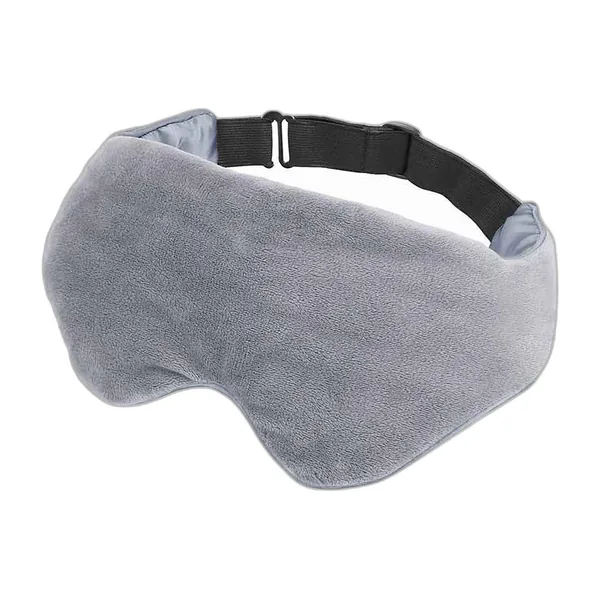 Weighted eye mask with cooling insert
A cotton eye mask of about 260 g that blocks out all light and rests a gentle weight on the eyes, for a nap or the end of the day.
Weighted eye mask with cooling insert
A cotton eye mask of about 260 g that blocks out all light and rests a gentle weight on the eyes, for a nap or the end of the day.
Free newsletter
One practical Ayurveda tip every Sunday
A seasonal habit, a recipe or a ritual taken from our articles, in a two-minute read. Your welcome gift: the 7-step Ayurvedic morning routine, unlocked right away. One-click unsubscribe.